On a sweltering summer day, there is no greater feeling than walking into your cool, comfortable home. That blast of cold air is a modern miracle we often take for granted. But what is actually creating that cold? It is not an "ice block," and it's not just "cold air." The magic comes from a hidden hero: a specialized fluid called an air conditioner refrigerant. This silent workhorse is the lifeblood of your AC system, tirelessly moving heat from inside your home to the outside. Refrigerant Guys offers the best refrigerants online. Learn more below, and shop today.
What is an HVAC Refrigerant?
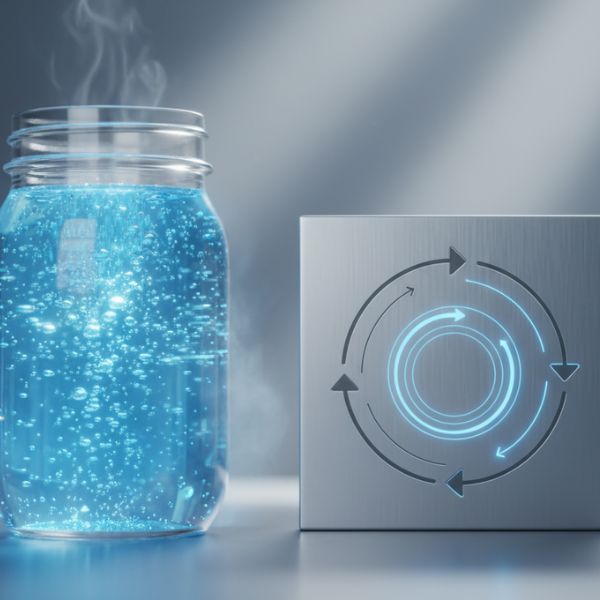
At its most basic, an HVAC refrigerant is a chemical compound with a very low boiling point. Its entire job is to change from a liquid to a gas (and back) at specific temperatures and pressures. This "phase change" is what allows it to absorb massive amounts of heat. Think of it as a rechargeable "heat sponge" that mops up the warmth in your house and wrings it out in your backyard.

The Heat Sponge (The Evaporator Coil)
The cycle begins inside your home, at the indoor unit (often part of your furnace or in an air handler). The refrigerant arrives here as a very cold, low-pressure liquid. As your home's warm air is blown across the evaporator coils, the refrigerant inside does its first job: it absorbs the heat. This heat causes the refrigerant to boil and "evaporate" into a cool, low-pressure gas. The air that comes out the other side is now wonderfully cold and is blown through your vents.

The Big Squeeze (The Compressor)
This low-pressure, lukewarm gas (now full of your home's heat) travels outside to the compressor, the component that makes most of the noise in your outdoor unit. The compressor's job is to squeeze this gas, packing its molecules tightly together. Just like a bicycle pump gets hot when you use it, compressing this gas dramatically increases its pressure and temperature. It is now a very hot, high-pressure gas.
Wringing Out the Heat (The Condenser Coil)
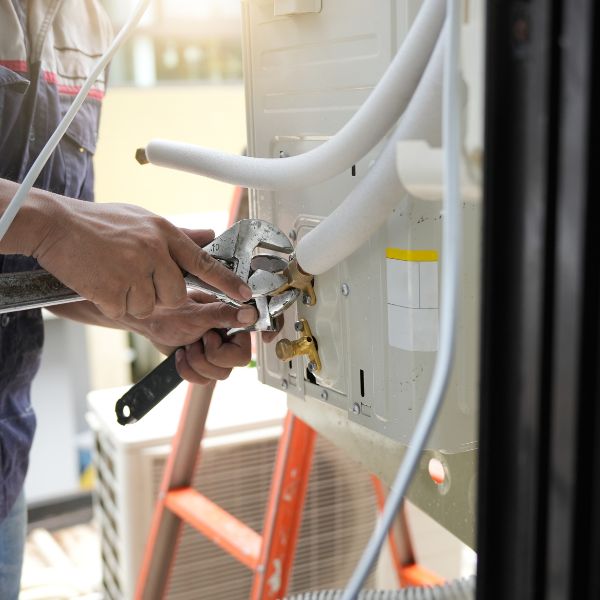
This hot gas is pushed into the condenser coils�the large, finned coils that wrap around your outdoor unit. The unit's fan pulls outdoor air across these coils. Since the gas is hotter than the outside air (even on a 95�F day!), the heat radiates out of the refrigerant and into the atmosphere. As it loses its heat, the high-pressure gas condenses back into a high-pressure liquid. It has successfully dumped your home's heat outside.

The Cooldown (The Expansion Valve)
This high-pressure, warm liquid now travels back to the indoor unit to a component called an expansion valve. This valve is a tiny pinhole. When the liquid is forced through it, the pressure on the other side plummets. This sudden drop in pressure causes the refrigerant to instantly vaporize and expand, becoming the intensely cold liquid/gas mist we started with in step 2. It is now ready to absorb more heat and repeat the cycle, which it does endlessly.
Why the Right Refrigerant Keeps Your AC Working
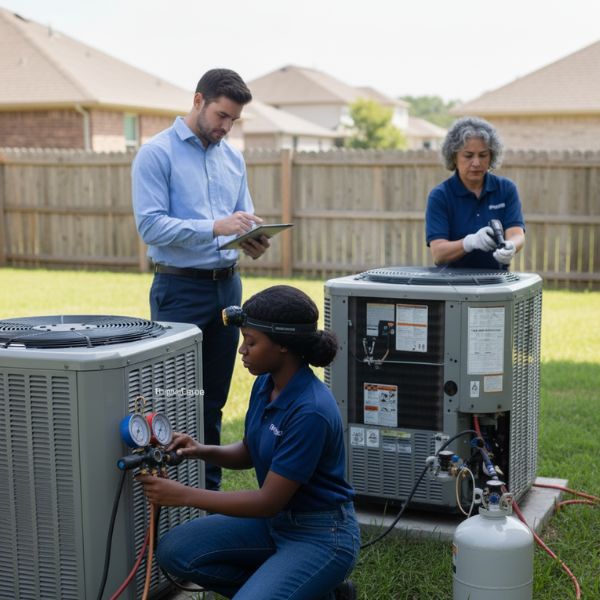
This entire cycle is a sealed loop. Your AC doesn't "use up" refrigerant like a car uses gas. The only time you'd be low is if you have a leak. This is why using the correct refrigerant for home AC units is critical. Systems are designed for one specific type. An older unit might use R-22 (which is being phased out), while nearly all new units use R-410A. You can't mix them.
GET STARTED TODAY
At Refrigerant Guys, we are the trusted source for the refrigerants to maintain these systems. When they need to buy refrigerants online, from R-410A to the best AC refrigerant options for any job, come to us for the quality products that keep your home cool. Order today!
Shop Today