Whether you are a seasoned HVAC technician or a DIY enthusiast working on your the A/C of your car, safety should always be your top priority. At Refrigerant Guys, we know that handling pressurized chemicals requires respect and knowledge. If you do not handle these materials correctly, you risk injury, environmental damage, and equipment failure. To ensure you stay safe while keeping things cool, we have compiled the essential tips you need to know. Shop today.
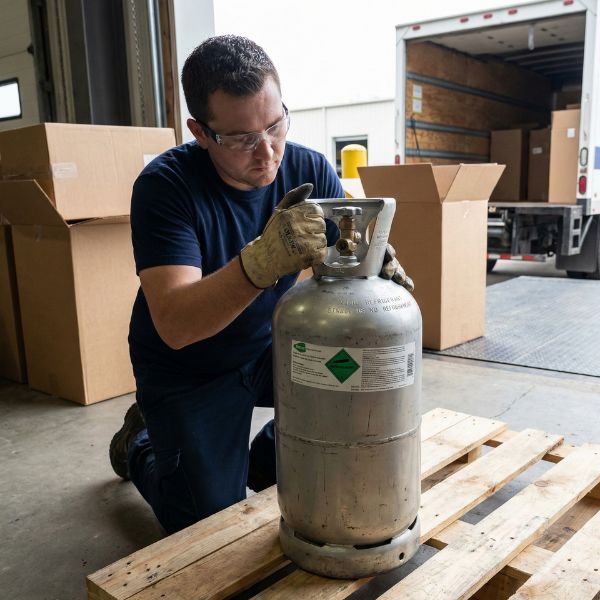
Inspect Deliveries Immediately
When you buy refrigerant online, the safety process begins the moment the package arrives at your doorstep. Before you even think about charging a system, inspect your shipment. Check the refrigerant cylinders for any signs of damage, rust, or compromised valves that might have occurred during transit. A damaged cylinder is a ticking time bomb. If you notice dents or leaks, do not attempt to use the product; contact the supplier immediately.
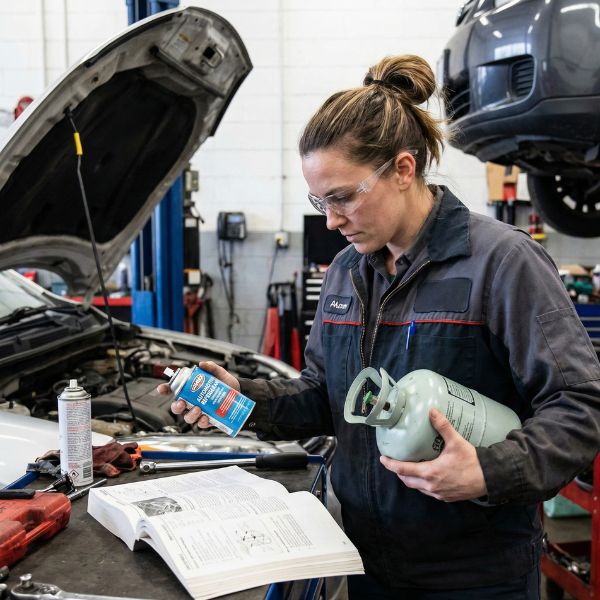
Know the Difference Between Applications
Not all coolants are created equal. You cannot simply grab any bottle and hope for the best. For example, automotive refrigerant (like R-134a or R-1234yf) is chemically different from standard fridge refrigerant or residential A/C coolants. Using the wrong type can lead to dangerous chemical reactions or system blowouts. Always consult your equipment's manual to identify the best refrigerant for your specific machine before starting work.
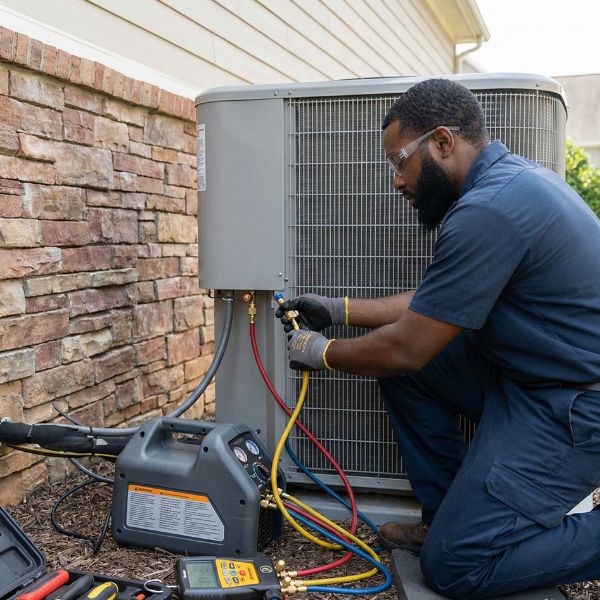
Handle Retrofits with Extreme Caution
As regulations change, you may find yourself facing a refrigerant replacement project. This is particularly common with older units requiring R22 refrigerant replacement due to phase-outs. When retrofitting a system to take a modern alternative, ensure the system is completely flushed and leak-tested. Mixing old and new refrigerants can cause high pressures that your equipment wasn't designed to handle.
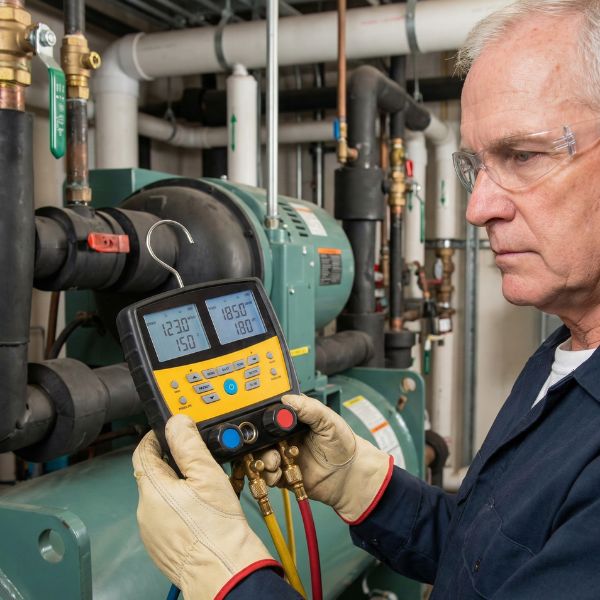
Respect Pressure Ratings (Especially with 404A)
Different refrigerants operate at drastically different pressures. For commercial refrigeration, 404a refrigerant is common, but it operates at higher pressures than many older blends. You must ensure your gauges, hoses, and recovery machines are rated for these specific pressures. Never try to force low-pressure equipment to handle high-pressure refrigerants; the equipment could burst and cause severe freeze burns or eye injuries.
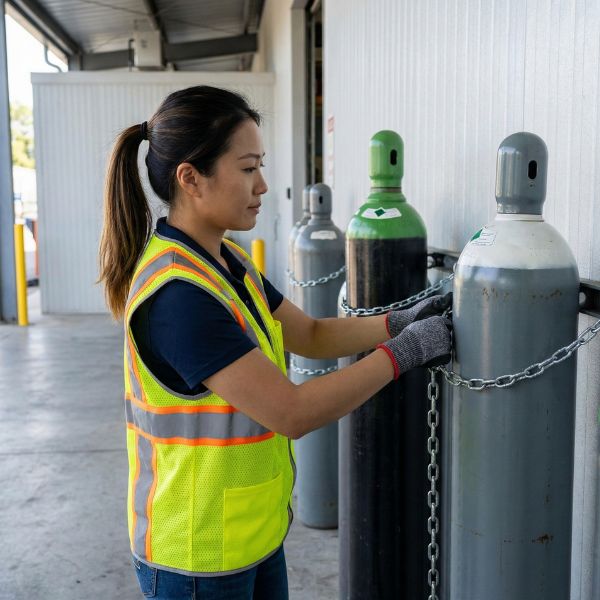
Store for Stability
Even the best AC refrigerant can become dangerous if stored improperly. Cylinders should always be stored in a cool, dry, well-ventilated area, away from direct sunlight and heat sources. If a cylinder gets too hot, the internal pressure rises, potentially causing the relief valve to vent toxic gas or the cylinder to rupture. Always secure cylinders in an upright position to prevent them from tipping over and damaging the valve.
BROWSE TODAY
Handling refrigerants doesn't have to be scary, but it does require diligence. By respecting the chemical properties and following these handling tips from Refrigerant Guys, you can ensure your projects go smoothly. Whether you are looking for R22 refrigerant replacement options or simply stocking up on the best refrigerant for your summer tune-ups, always put safety first. Shop today.