You hear it every day, that low, steady hum from the kitchen, the reassuring sound that your food is safe, cold, and fresh. We take our refrigerators for granted, but inside that insulated box is a remarkable, continuous process. The undisputed hero of this process is a substance you have probably never seen: refrigerant. This hardworking fluid is the lifeblood of your cooling system. Understanding this cycle shows you just how vital the right refrigerant for refrigeration is. Let's trace the journey of this silent workhorse. Buy refrigerant online from Refrigerant Guys today.
What is a Refrigerant?
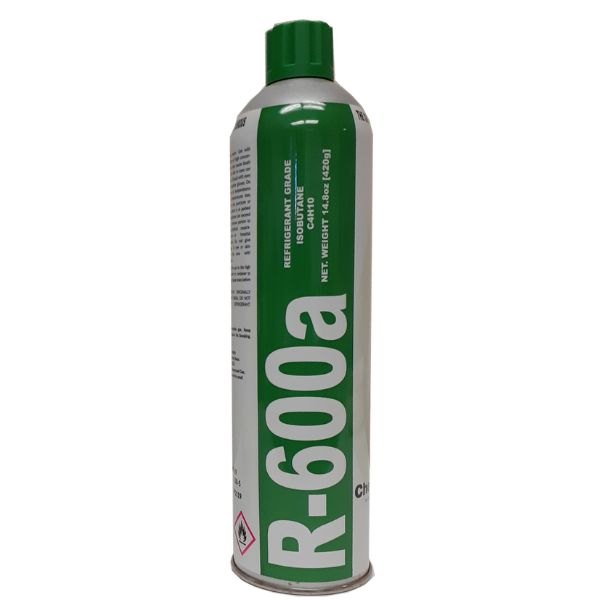
At its core, a refrigerant is a compound with a very low boiling point. Its one and only job is to absorb heat in one place (inside your fridge) and release it in another (outside your fridge). It does this by repeatedly changing its state from a liquid to a gas and back again. This constant phase change is the engine that drives all refrigeration, from your fridge to a massive commercial freezer.

The "Hum" (The Compressor)
The journey begins at the compressor. This is the "heart" of the system and the source of that familiar hum. The job of the compressor is to squeeze the refrigerant, which arrives as a cool, low-pressure gas. By squeezing it, the compressor dramatically increases the pressure and, as a result, the temperature. The refrigerant is now a very hot, high-pressure gas.

Releasing the Heat (The Condenser)
This hot gas is pushed into the condenser coils, which are the black, web-like coils you often see on the back or bottom of a refrigerator. As the hot gas travels through these coils, the heat radiates out into your kitchen. As it loses its heat to the surrounding air, the high-pressure gas condenses into a high-pressure liquid. This part of the cycle is identical in principle, whether it's your home unit or a commercial freezer using a gas like R404A refrigerant.
The Big Chill (The Expansion Valve)
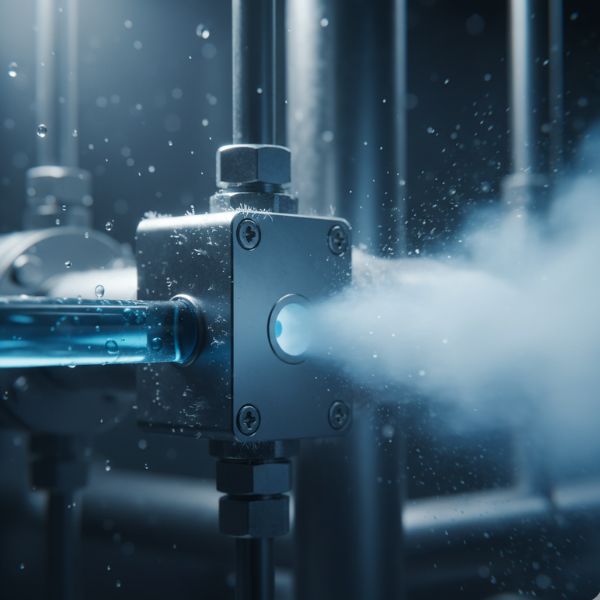
Now we have a high-pressure, room-temperature liquid. It flows toward a component called an expansion valve or a capillary tube, which is essentially a tiny, narrow opening. When the liquid is forced through this pinhole, the pressure on the other side plummets. This sudden drop in pressure causes the liquid refrigerant to instantly vaporize and expand, becoming an intensely cold, low-pressure mist, think of how an aerosol can get icy cold when you spray it.

Absorbing the Warmth (The Evaporator)
This super-chilled, low-pressure mist is now piped into the evaporator coils, which are located inside your freezer and refrigerator compartments. A fan blows air across these frosty coils, and this is what actually chills the air inside. As the cold refrigerant flows through the coils, it does its primary job: it absorbs the "heat" (or thermal energy) from the food you store and the air inside. This absorbed heat causes the refrigerant to boil and turn completely back into a cool, low-pressure gas.

Back to the Start (And Keeping it Healthy)
This cool, low-pressure gas is then drawn back into the compressor, and the entire cycle begins again, endlessly repeating to maintain the temperature you set. For this to work, the system must be perfectly sealed and contain the exact amount of refrigerant. This is why finding the best refrigerant for fridge models is a precise science.
BROWSE TODAY
At Refrigerant Guys, we're the experts in the high-quality gases and tools that power this cycle. Whether you're a professional looking for the best refrigerants for a job, a specific R22 refrigerant replacement, or a reliable place to buy refrigerants online, we have what you need. We provide the vital fluids and tools that keep the modern world cool. Shop today.
Shop Today